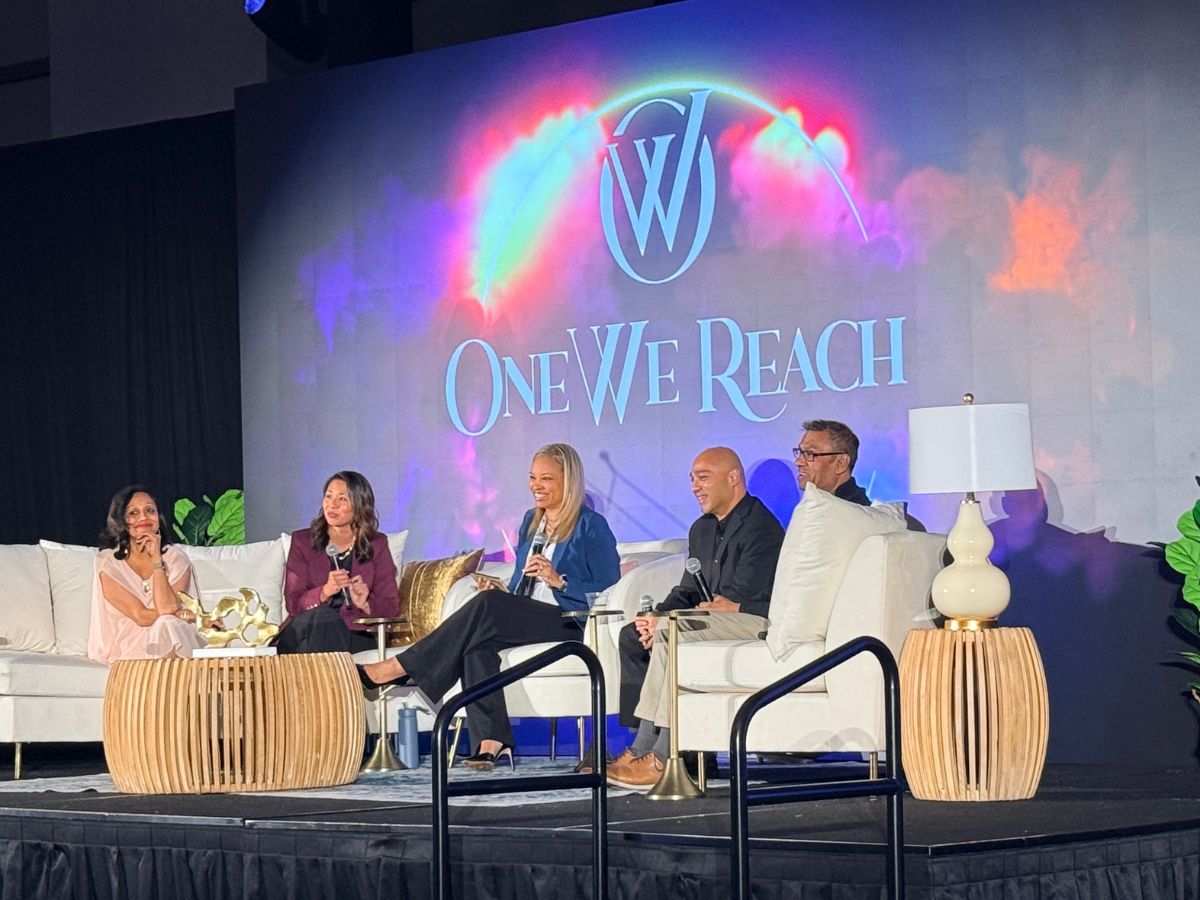
From reimagining pharmaceutical R&D and Medical Affairs to redefining commercial strategy and lasting health, Day 4 challenged life sciences leaders to rethink what’s possible.
What does it take to turn a scientific breakthrough into a meaningful breakthrough for patients?
Across conversations about artificial intelligence, clinical development, Medical Affairs, GLP-1 innovation, and the changing pharmaceutical commercial model, industry leaders explored a shared challenge: how to translate extraordinary advances in science and technology into better decisions, broader access, and lasting impact.
The discussions were candid. The ideas were ambitious. And the message was remarkably consistent: Progress depends on our ability to connect what we know with what we do next.
Here are some of the ideas and moments that made Day 4 memorable.
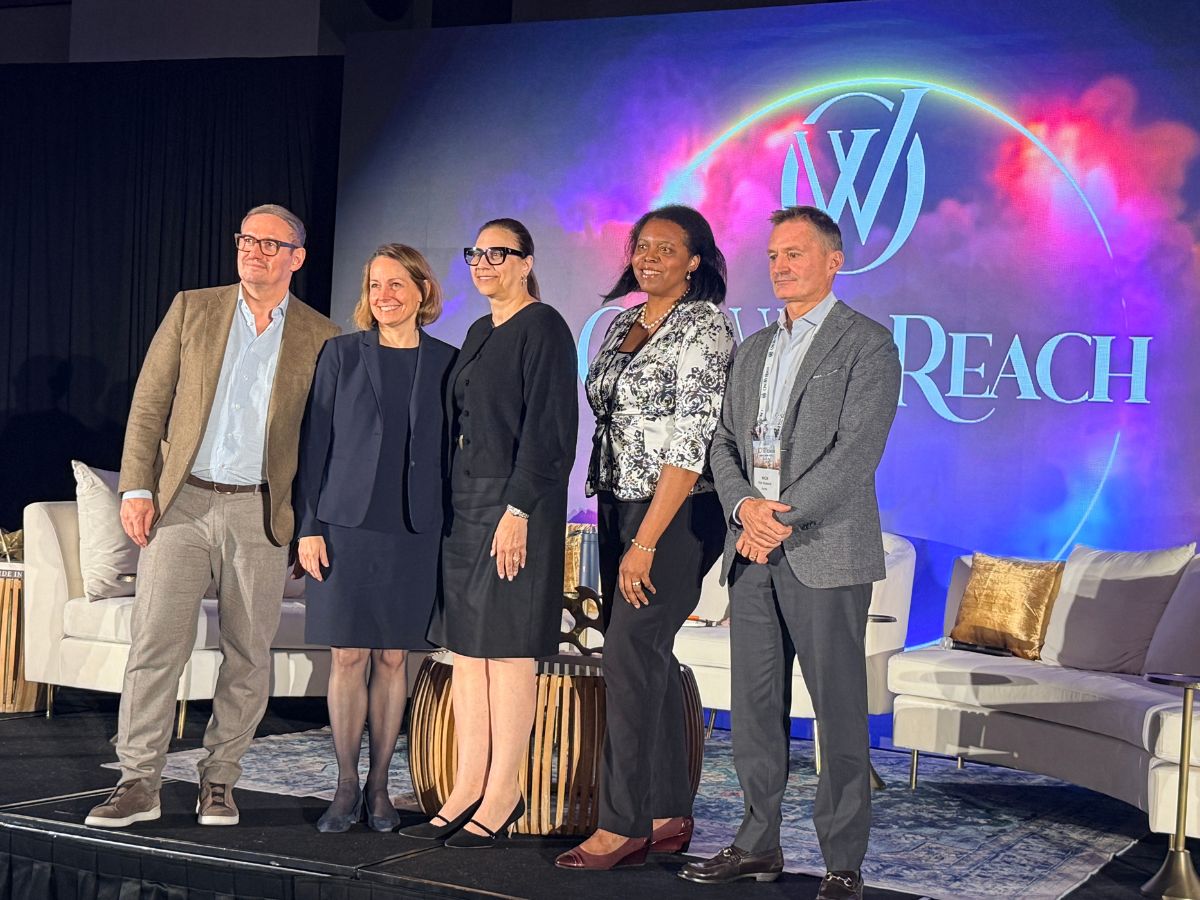
1. The R&D Productivity Wall Is Ready for a Rethink
How can an industry equipped with unprecedented scientific capabilities still face such long and costly development timelines?
That question fueled “Beyond the Productivity Wall: Computation, Modalities, and the New R&D Engine,” sponsored by Bayer. The panel explored how computational drug discovery, advanced therapeutic modalities, model-informed development, and modernized clinical operations are creating opportunities to accelerate innovation. But the conversation also exposed an important reality: developing better molecules is only one part of the challenge.
Understanding disease biology, improving clinical decisions, identifying the right patients, and reducing unnecessary delays are equally critical. Speakers shared examples of how smarter trial design and modeling have already helped streamline development, including a Bayer program in which a model-informed approach saved approximately two years.
The discussion also highlighted the agility of biotech organizations, where focused priorities, strategic partnerships, and faster decision-making can help smaller teams advance ambitious science.
The takeaway? The next leap in R&D productivity may come from combining better technology with better ways of working.
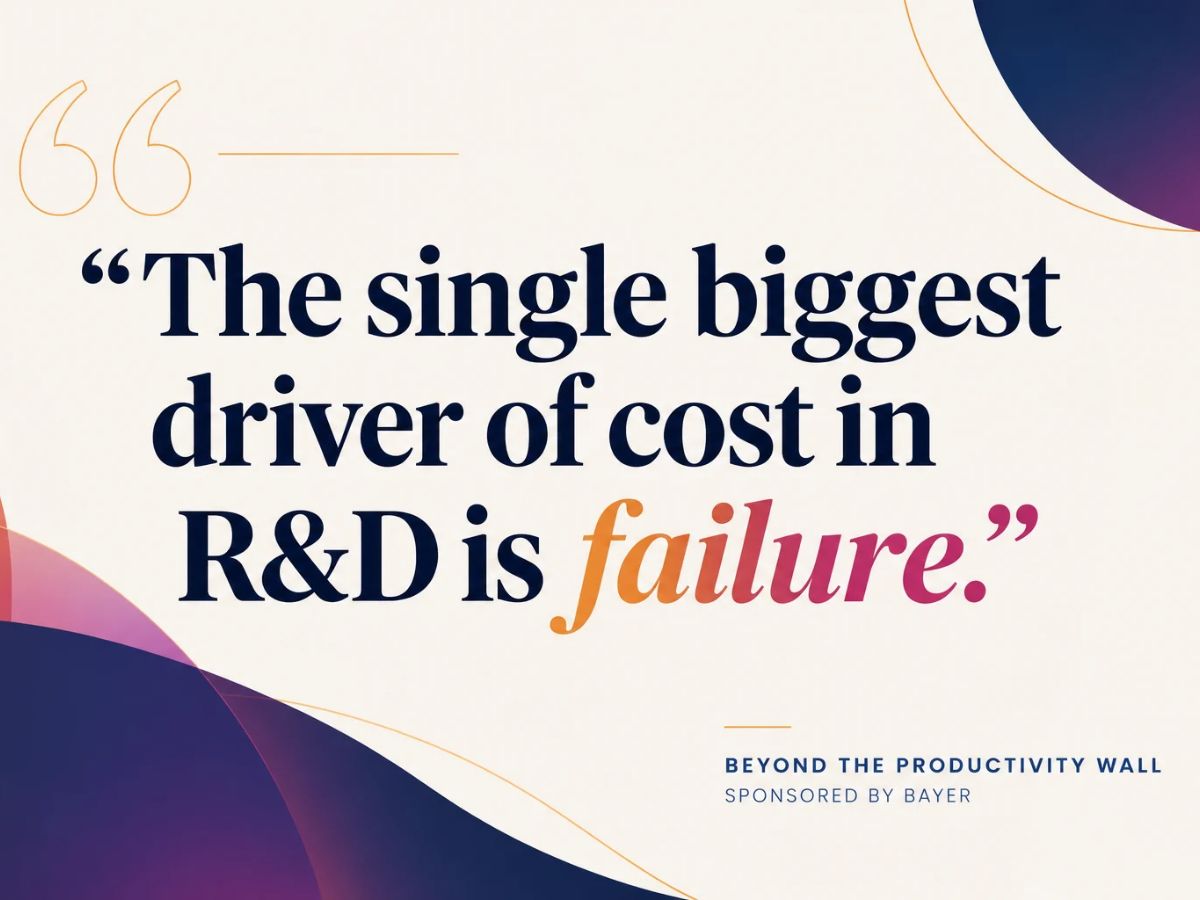
2. Medical Affairs Is Moving From Scientific Support to Strategic Influence
As therapeutic competition intensifies and novel modalities introduce new complexities, the role of Medical Affairs is changing.
During “The Medical Affairs Reset: Leading Therapeutic Franchises Through Indication Competition, Novel Modalities, and Patent Cliff Pressure,” sponsored by Syndax Pharmaceuticals, leaders challenged traditional assumptions about when and how Medical Affairs should contribute to business and clinical strategy.
The discussion emphasized the importance of bringing Medical Affairs into development conversations earlier, incorporating patient insights, shaping evidence strategies, and identifying opportunities to improve clinical practice. One particularly compelling idea was the shift toward disease-centric strategy. Rather than approaching each asset independently, organizations can build a more complete understanding of disease biology, patient journeys, treatment gaps, and the evidence needed to improve care.
The panel also examined how AI, real-world data, and more targeted scientific engagement could help Medical Affairs teams identify unmet needs and demonstrate their impact. And when the conversation turned to leadership, the challenge became even more direct.
The message extended well beyond Medical Affairs.
In an industry undergoing rapid transformation, expertise creates greater value when professionals have the confidence to challenge assumptions, build partnerships, and help shape decisions.
3. The Commercial Model Is Shifting From Share of Voice to Share of Trust
For decades, pharmaceutical commercialization has relied heavily on reach, frequency, and engagement. But what happens when healthcare professionals have less time, patients have more information, and awareness alone is no longer enough?
That was the focus of “From Share of Voice to Share of Trust: The Commercial Model Taking Shape in 2026.”
Leaders from Genentech, Boehringer Ingelheim, and Novo explored how pharmaceutical companies must adapt to a marketplace where relevance, access, and patient outcomes increasingly define success. The conversation challenged the industry to look beyond traditional commercial activity metrics. In obesity care, for example, demand and awareness can be exceptionally high while millions of potentially eligible patients remain untreated. The barriers may involve affordability, reimbursement, clinical inertia, or challenges navigating the care pathway.
Panelists emphasized that different therapeutic areas require different engagement models. Some may still benefit from traditional field strategies, while others demand stronger reimbursement support, patient navigation, and community partnerships. Genentech’s population health approach offered another perspective, illustrating how companies can build relationships through health education, community engagement, and a deeper understanding of local healthcare ecosystems.
The central message was clear: commercial success increasingly depends on understanding what prevents appropriate care and helping address those barriers.
4. Novo’s Transformation Reflects a Bigger Shift in Patient Expectations
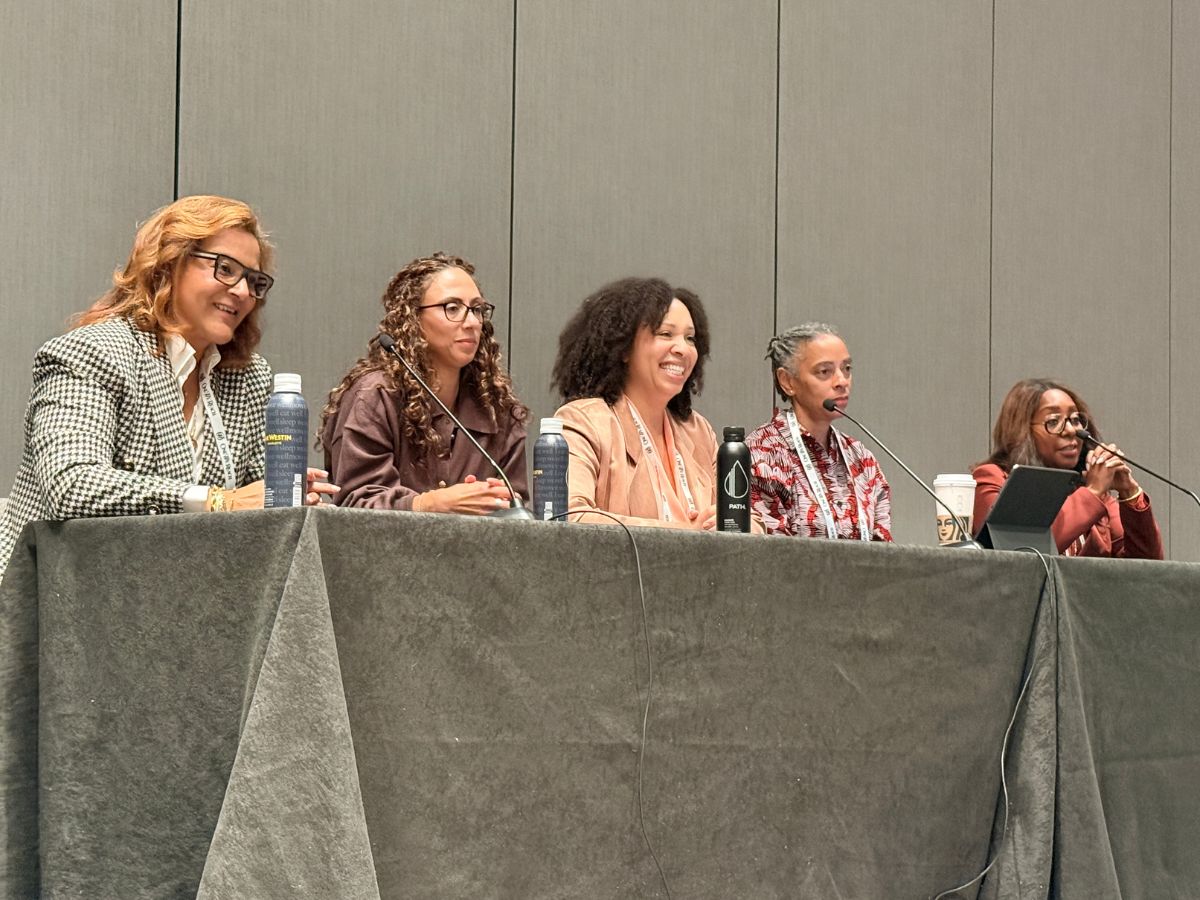
The conversation about commercialization continued with “Lasting Health Starts Now: GLP-1 & Beyond Novo Reimagined,” sponsored by Novo.
The session offered an inside look at the company’s evolution, from its pioneering work in GLP-1 science to a renewed brand identity and strategic focus on lasting health. Novo leaders discussed how GLP-1 therapies have transformed treatment expectations, particularly in diabetes and obesity. They also reflected on the extraordinary demand that followed major clinical advances, the resulting supply challenges, and the emergence of new treatment access channels.
These developments have fundamentally changed the relationship between pharmaceutical companies and the people who use their medicines. Consumers are researching treatment options, comparing costs, engaging with digital health platforms, and increasingly participating in decisions about their care. At the same time, affordability and insurance coverage remain major barriers.
The panel explored how policy, commercial strategy, medical education, and community partnerships must work together to help ensure that scientific progress translates into appropriate treatment access. The discussion also looked ahead to emerging research involving metabolic health, women’s health, and novel peptide-based therapies.
One of the session’s strongest insights was that the definition of pharmaceutical value is expanding. Patients increasingly want treatments and experiences that support their broader health goals, and organizations must evolve to meet those expectations.
5. Across Every Session, the Same Challenge Emerged: Connect the Dots
Although the sessions approached innovation from different perspectives, their messages were closely connected.
- The R&D conversation challenged companies to improve how medicines are discovered and developed.
- The Medical Affairs discussion called for stronger connections between scientific evidence, strategic decisions, and clinical practice.
- Commercial leaders emphasized understanding the barriers that prevent patients from receiving appropriate care.
- And Novo’s transformation demonstrated how rapidly changing patient expectations can reshape an organization’s strategy, culture, and approach to engagement.
Together, these discussions revealed a larger opportunity for the life sciences industry.
The next generation of progress will depend on how effectively organizations connect their capabilities across the entire patient journey.
That means breaking down functional silos, investing in collaboration, and recognizing that innovation continues long after a scientific discovery is made.
6. Beyond the Main Stage: Where Conversations Become Connections
After a day filled with ambitious ideas and candid industry discussions, the energy continued into the evening.
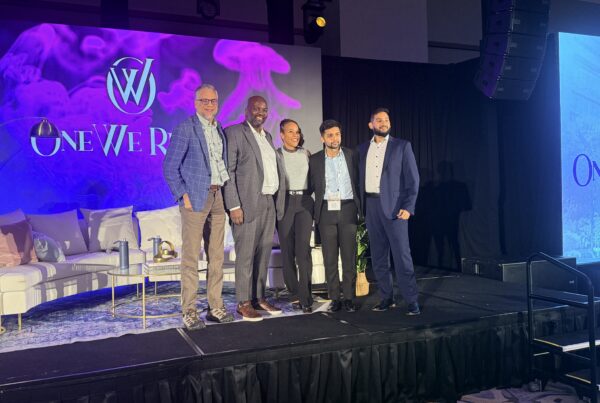
The President’s Reception and Corporate Hospitality Suites, hosted by Travere Therapeutics and OneWe Reach, provided an opportunity for attendees to reconnect, exchange perspectives, and enjoy the relationships that make the OneWe Reach community distinctive.
The gathering brought together professionals from across the life sciences ecosystem in a more relaxed, personal setting. There was plenty of conversation, laughter, and the kind of spontaneous networking that often creates lasting memories at a conference.
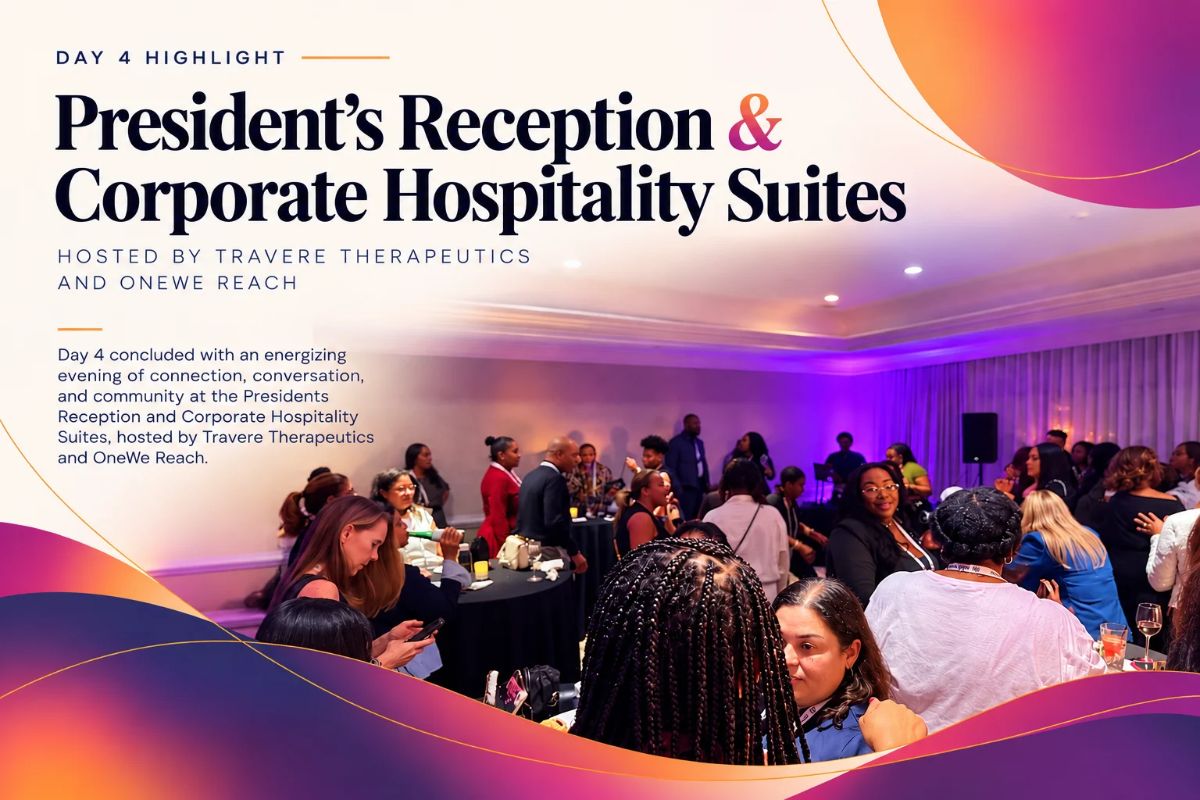
For an event celebrating ten years of connection, leadership, and collective progress, it was a fitting way to close the day’s programming.
The Bigger Takeaway From Day 4
Day 4 reinforced something that has become increasingly clear throughout OneWe Reach’s 10th Annual Conference. The life sciences industry is entering a period of extraordinary possibility, fueled by scientific advances, new technologies, evolving business models, and a deeper understanding of patient needs. But realizing that potential requires more than innovation in isolation. It takes leaders willing to challenge established practices, organizations prepared to work differently, and a community committed to turning ideas into meaningful action.
That spirit has defined OneWe Reach for the past decade, and it continues to shape what comes next.
Because when the right people connect, the possibilities reach far beyond the conference room.